ADVANCED CLINICAL PATHWAYS
Four focused pathways.
One specialized surgical practice.
Rather than offering generic orthopedics, Dr. Vinod Bhuktar has focused his practice on high-precision hip and knee joint reconstructive procedures designed for muscle preservation, rapid rehabilitation, and long-term durability.
Direct Anterior Approach
Total Hip Replacement (DAA)
The Direct Anterior Approach is a true intermuscular and internervous surgical technique that accesses the hip joint from the front without detaching any gluteal muscles from the pelvic bone.
Key Clinical Advantages:
- Zero Muscle Cutting: Muscles are gently retracted along their natural anatomical planes rather than sliced or repaired.
- No Dislocation Precautions: Because the posterior capsule and external rotators remain untouched, risk of hip dislocation is virtually negligible.
- Accelerated Gait Return: Most patients take their first unassisted steps on the evening of surgery and discard walkers within 7 to 10 days.
- Supine Fluoroscopy Precision: Surgery is performed with patient lying flat, enabling real-time intraoperative X-ray verification of cup angle and exact leg length equality.
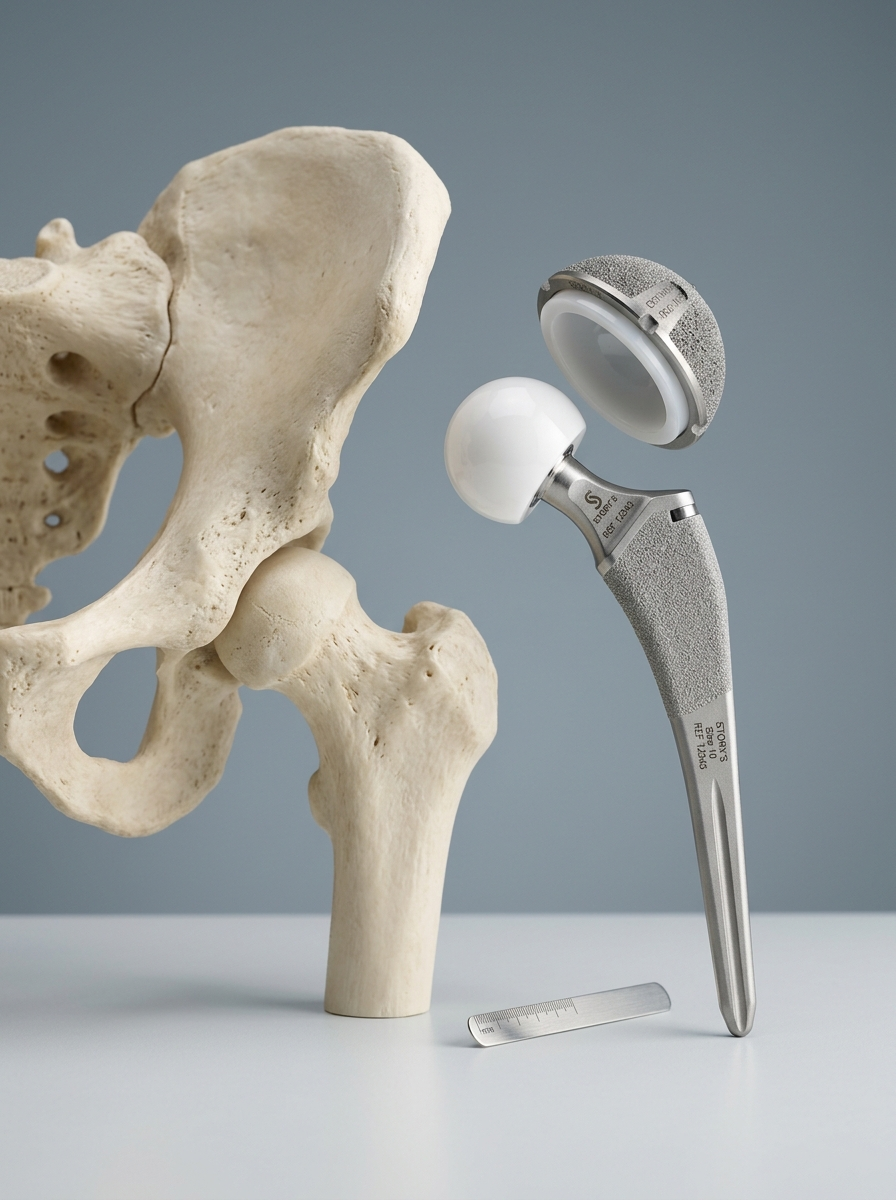 DIRECT ANTERIOR HIP IMPLANT
Ideal Candidates
- End-stage hip osteoarthritis with painful stiffness
- Avascular Necrosis (AVN) of the femoral head (common in young adults)
- Ankylosing Spondylitis with severe hip involvement
- Post-traumatic arthritis or failed previous conservative care
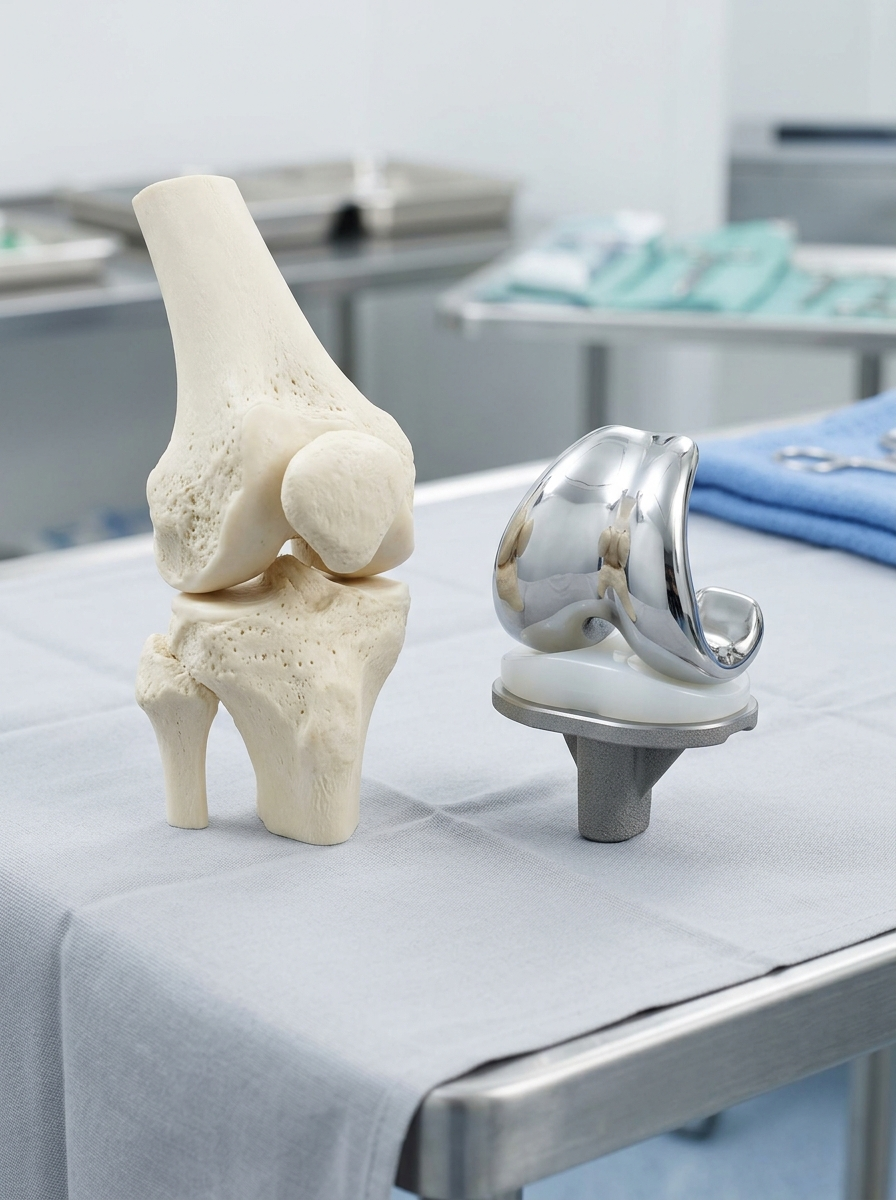 EXTENSOR TENDON SPARING
The Subvastus Difference
In standard knee joint replacement, the surgeon cuts straight through the quadriceps tendon, which prolongs rehab. In Dr. Bhuktar's Subvastus approach, the entire extensor mechanism is preserved from underneath without cutting tendon fibers.
Minimally Invasive
Subvastus Knee Joint Replacement
A refined technique designed specifically around preserving the extensor power of the thigh muscles, eliminating anterior knee joint lag and with the aim of supporting a smoother rehabilitation pathway.
Key Clinical Advantages:
- Immediate Straight Leg Raise: Patients can lift their operated leg straight off the bed immediately after surgery because the tendon was not cut.
- Less Post-Op Pain: Sparing tendon tissue results in significantly reduced postoperative swelling and lower analgesic requirement.
- Preserved Patellar Blood Supply: The lateral blood supply to the kneecap is preserved, lowering the incidence of kneecap pain and complications.
- Rapid Stair Climbing: Earlier return of quadriceps control enables patients to climb hospital practice stairs safely before discharge.
3D DICAST High-Performance
Total Hip Replacement
Designed for high-demand individuals, younger patients, and active seniors who refuse to let hip arthritis compromise their lifestyle.
Why DICAST Alignment Matters:
- Spino-Pelvic Dynamic Kinematics: Accounts for how your pelvis tilts when standing versus sitting, eliminating edge loading and impingement.
- Delta Ceramic Bearing Couples: Ultra-smooth ceramic-on-ceramic or ceramic-on-crosslinked polyethylene with negligible wear rates lasting decades.
- Anatomical Large-Head Technology: Restores full natural range of motion for floor sitting, squatting, yoga, and athletic pursuits.
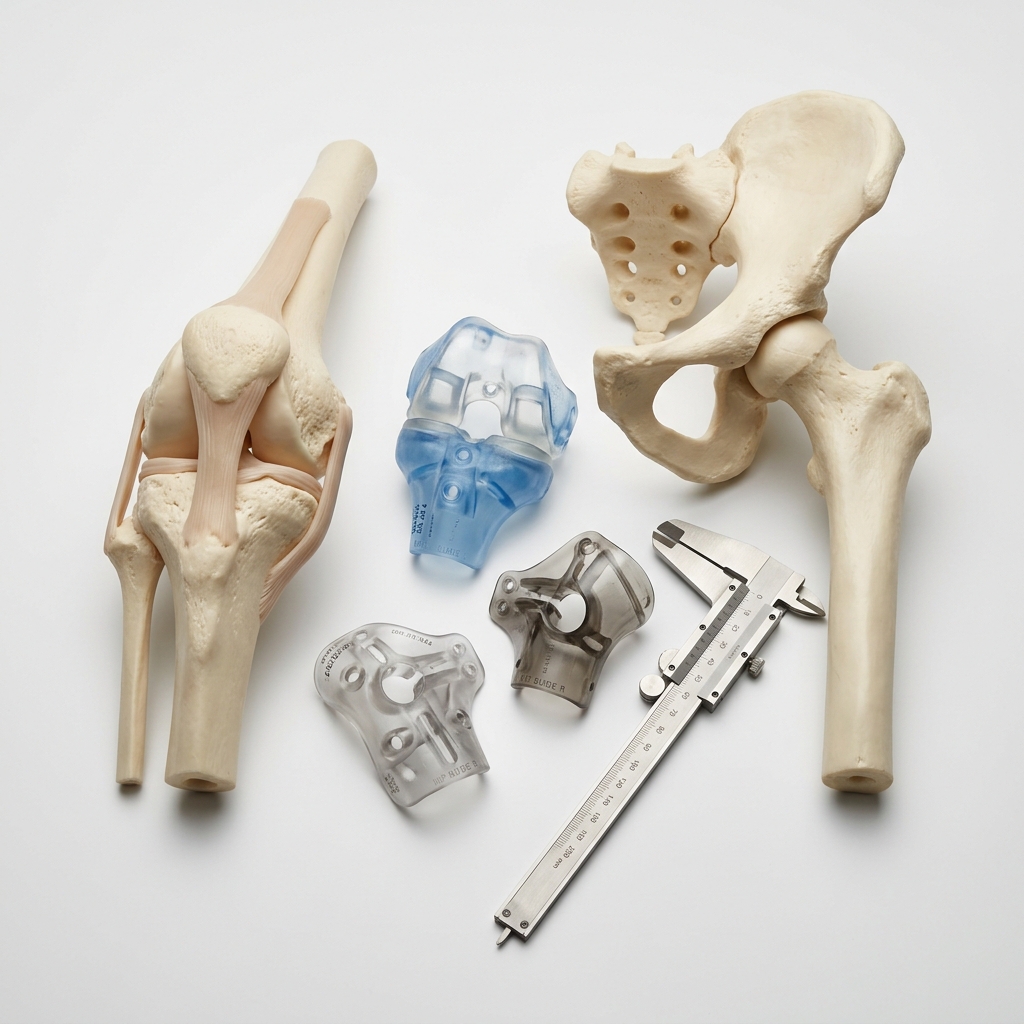 3D DIGITAL CT MAPPING
Particularly Recommended For
- Patients under 60 seeking an implant engineered for 30+ years
- Avid walkers, golfers, farmers, and active sports enthusiasts
- Patients with concomitant lumbar spine stiffness or previous spinal fusion
- Severe AVN requiring maximum natural range-of-motion
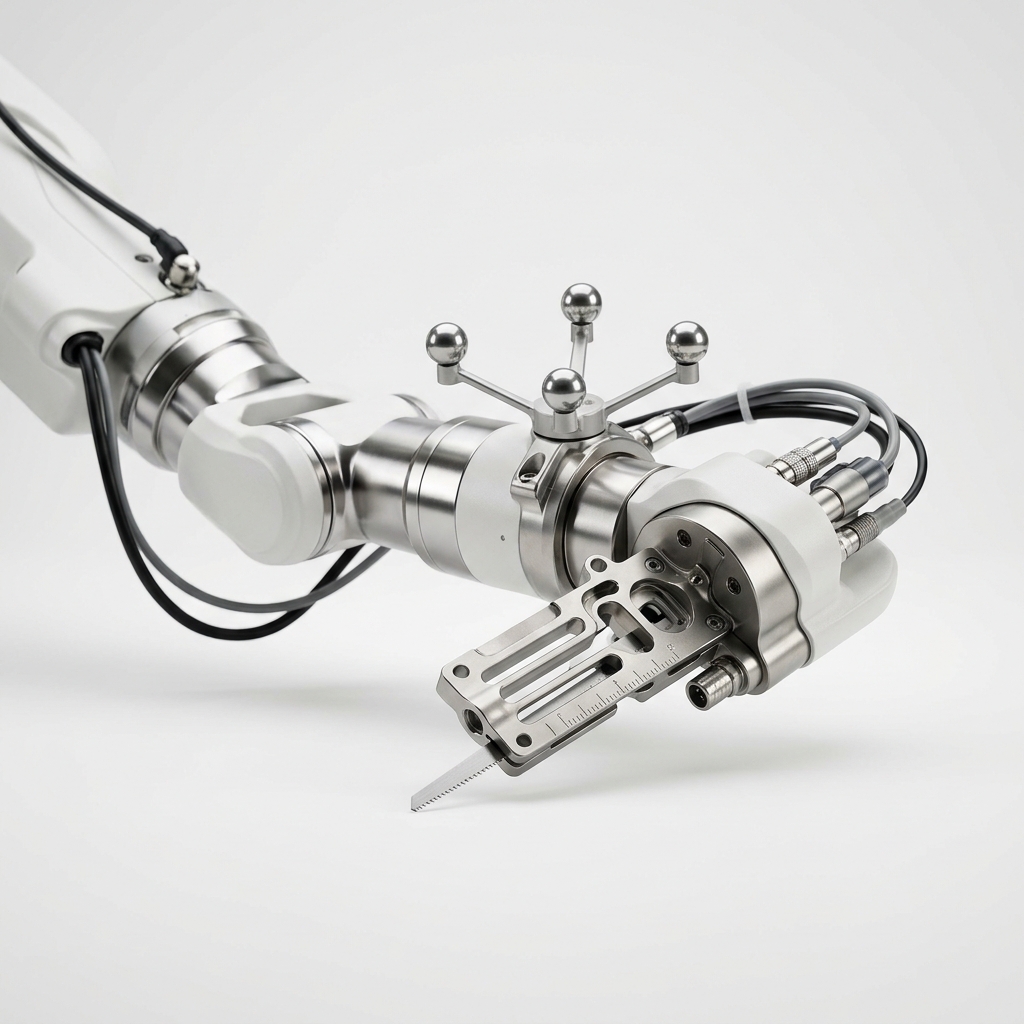 ROBOTIC HAPTIC SUITE
Partial vs. Total Knee Joint
Almost 40% of patients with knee joint pain have wear confined solely to the inside (medial) half of their joint. Rather than sacrificing the entire knee joint, Robotic Unicondylar Knee Joint Replacement replaces only worn cartilage, keeping your own ACL and PCL intact.
Robotic Unicondylar
(Partial) Knee Joint Replacement
The most natural-feeling knee joint reconstruction available in modern orthopedics, driven by CT-based robotic haptic boundaries.
Why Robotic Guidance is Essential for Partial Knee Joints:
- Haptic Boundary Safety: The robotic arm physically restricts the cutting burr from going beyond the planned safety boundary, protecting nerves and ligaments.
- Dynamic Soft-Tissue Tension: The knee is flexed and extended through its range of motion while robotic sensors measure tension in real time.
- "Forgotten Knee" Sensation: Because your cruciate ligaments remain intact, proprioception is preserved; patients often forget they had knee joint surgery.
CLINICAL COMPARISON
Conventional Surgery vs.
Dr. Bhuktar's Approach
Understand how modern tissue-preserving and robotic surgical techniques transform patient experience and functional recovery.
| Surgical Parameter | Conventional Joint Surgery | Dr. Vinod Bhuktar's Technique (Robotic / Muscle-Sparing) |
|---|---|---|
| Muscle & Tendon Handling | Slices gluteal or quadriceps tendons to expose joint | Muscle-sparing planes: DAA Hip & Subvastus Knee Joint leave tendons intact |
| Surgical Accuracy | Manual eye estimation with manual mechanical jigs (± 3–5 mm) | Robotic navigation precision: Sub-millimeter accuracy (< 0.5 mm) |
| Time to First Steps | 24 to 48 hours post-op bed rest with urinary catheter | Same-day walking: 6 to 12 hours post-op without urinary catheter |
| Hip Dislocation Risk | Strict 90-degree bend restrictions and toilet seat raisers for 3 months | Movement guidance: Post-operative restrictions depend on the surgical approach and individual clinical advice |
| Knee Joint Extensor Power | Quadriceps lag; painful to lift leg off bed for 2–3 weeks | Early muscle activation as guided by the clinical and physiotherapy team |
| Ligament Preservation (Knee Joint) | Sacrifices anterior cruciate ligament (ACL) routinely | Preserves natural ACL & PCL in unicondylar robotic procedures |
| Hospital Stay | 5 to 7 days in hospital | 2 to 3 days average stay with safe discharge |